As China's modern agricultural industrialization continues to upgrade, agricultural production has shifted from traditional yield expansion toward high-quality development focused on superior quality, high efficiency, eco-friendliness, and sustainability. Consumers increasingly demand better taste, aesthetic appearance, safety, and nutritional value. Consequently, eco-friendly farming, soil remediation, and crop quality/yield enhancement have become core requirements. Crop growth depends on six core elements: light, soil, moisture, nutrients, air, and temperature. Soil fertility and nutrient supply serve as the primary human-controllable factors governing crop vigor, yield, and quality. Long-term continuous cropping, excessive chemical fertilization, organic matter depletion, and microbial dysbiosis have led to severe issues in domestic production bases, such as high incidence of soil-borne diseases, poor root development, weak crop growth, quality degradation, and heavy yield losses.
Angel Yeast Organic Fertilizer represents a benchmark for green, eco-friendly fertilizers in China, widely applied in high-value crop cultivation, organic farming, and degraded soil restoration. Its core active ingredient—yeast metabolites—is obtained from molasses and fermentable sugars via aerobic fermentation, followed by yeast cell extraction, concentration, and drying. This complex natural organic nutrient blend is rich in fulvic acid, humic acid, yeast polysaccharides, free amino acids, organic acids, and active peptides, along with essential inorganic nutrients including N, P, K, Ca, and Mg. These bioactive compounds improve soil microecology, activate crop physiological metabolism, boost nutrient uptake and translocation, and enhance stress resistance—supplying balanced nutrition throughout the growth cycle while rehabilitating soil ecology.
I. Field Application Effects of Yeast Metabolites on Domestic Crops
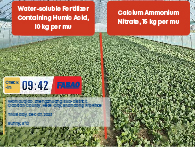
1. Bok Choy (Shanghai Qing) Trial in Cao County, Shandong Province
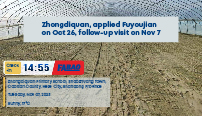
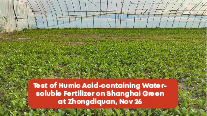
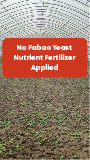
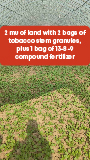
Shaozhuang Town in Cao County, Heze City, Shandong Province, is a renowned national core production base for Bok Choy (Shanghai Qing), boasting over 100,000 mu (~6,667 ha) of cultivation and more than 30,000 vegetable greenhouses. Its leafy green distribution accounts for over 70% of the national market share. The local continuous cropping in unheated greenhouses has deteriorated soil ecology: beneficial microflora and organic matter have declined, leading to soil compaction, reduced fertility, and rampant soil-borne pathogens. This triggers seedling rot, uneven growth, and substantial yield losses. The trial compared a Treatment Group (Angel fertilizer series containing yeast metabolites) with a Control Group (farmers' conventional fertilization). Fertilization was precisely synchronized with crop growth stages across four key nodes:
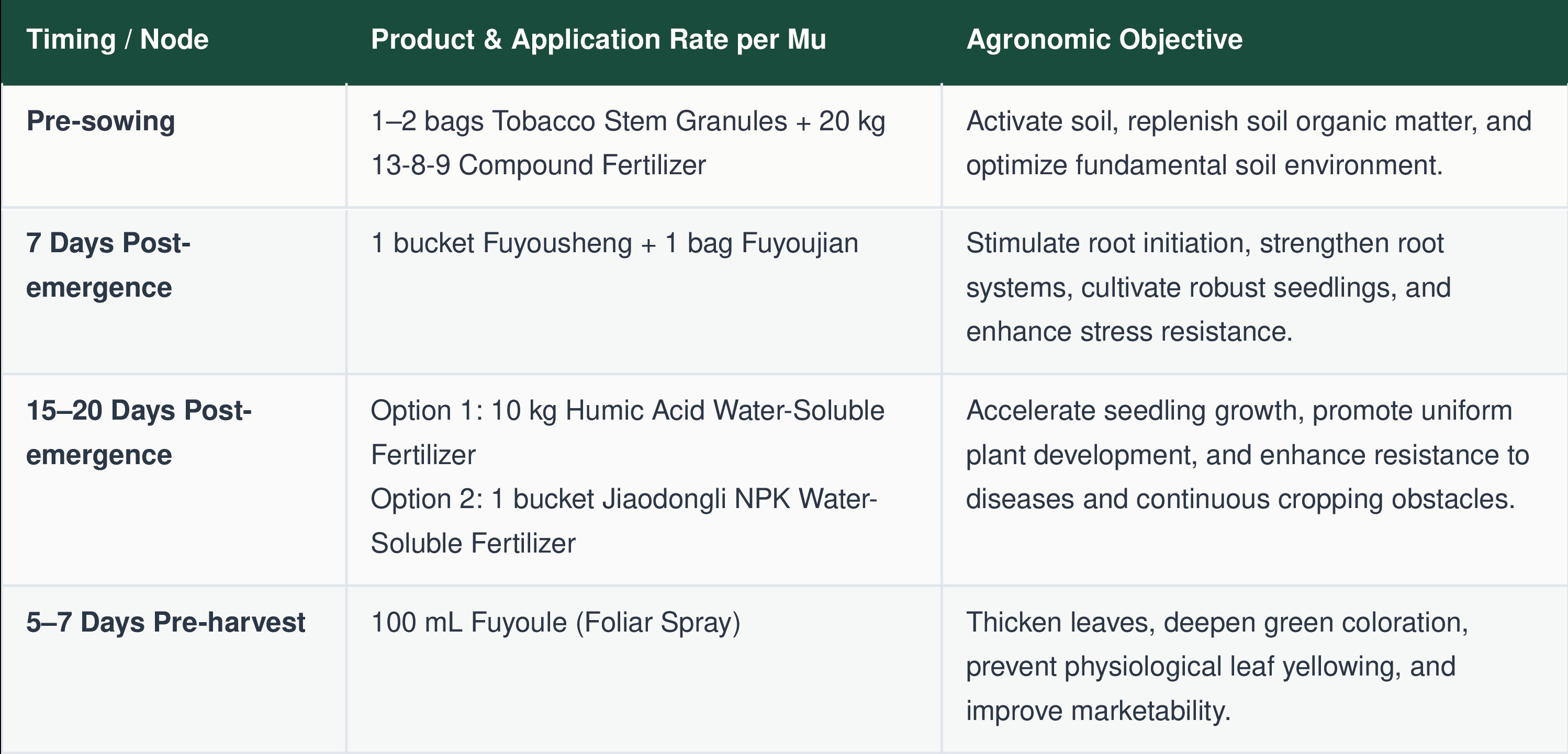
Trial Results: Compared to the control group, Bok Choy in the yeast metabolite treatment group exhibited significantly superior overall growth, markedly higher emergence uniformity, faster growth rates, thicker dark-green leaves, robust root systems with greater root numbers, and higher overall plant vigor, delivering stable yield improvement and yield increase.
Trial Conclusion: Core active ingredients including yeast proteins and polysaccharides effectively boost the proliferation of beneficial soil microflora, suppress soil-borne pathogens, rapidly replenish organic matter, and loosen soil. This alleviates soil impoverishment and microbial imbalance induced by continuous cropping. Additionally, these active substances stimulate root development and improve nutrient and water uptake, mitigating seedling rot, weak seedling growth and yield losses.
2. Grape Cultivation Trial in Yunnan Province
As a high-value vine crop, grapes demand precise nutrient and water management. Balanced fertilization directly influences tree vigor, flower bud quality, fruit appearance, and subsequent yield. Post-harvest nutrient depletion weakens tree vigor and delays shoot maturation if fertilizer is not replenished promptly. During fruit expansion and color-change stages, demand for phosphorus and potassium surges—phosphorus aids cell division and anthocyanin synthesis, while potassium regulates metabolism and suppresses excessive nitrogen uptake, crucial for sugar accumulation and uniform coloration. Conventional over-application of synthetic fertilizers often leads to vegetative overgrowth, delayed shoot maturation, poor flower bud differentiation, and uneven fruit coloring.
The trial integrated Angel yeast metabolite fertilizers with compound fertilizers and micronutrient fertilizers throughout the complete crop lifecycle:
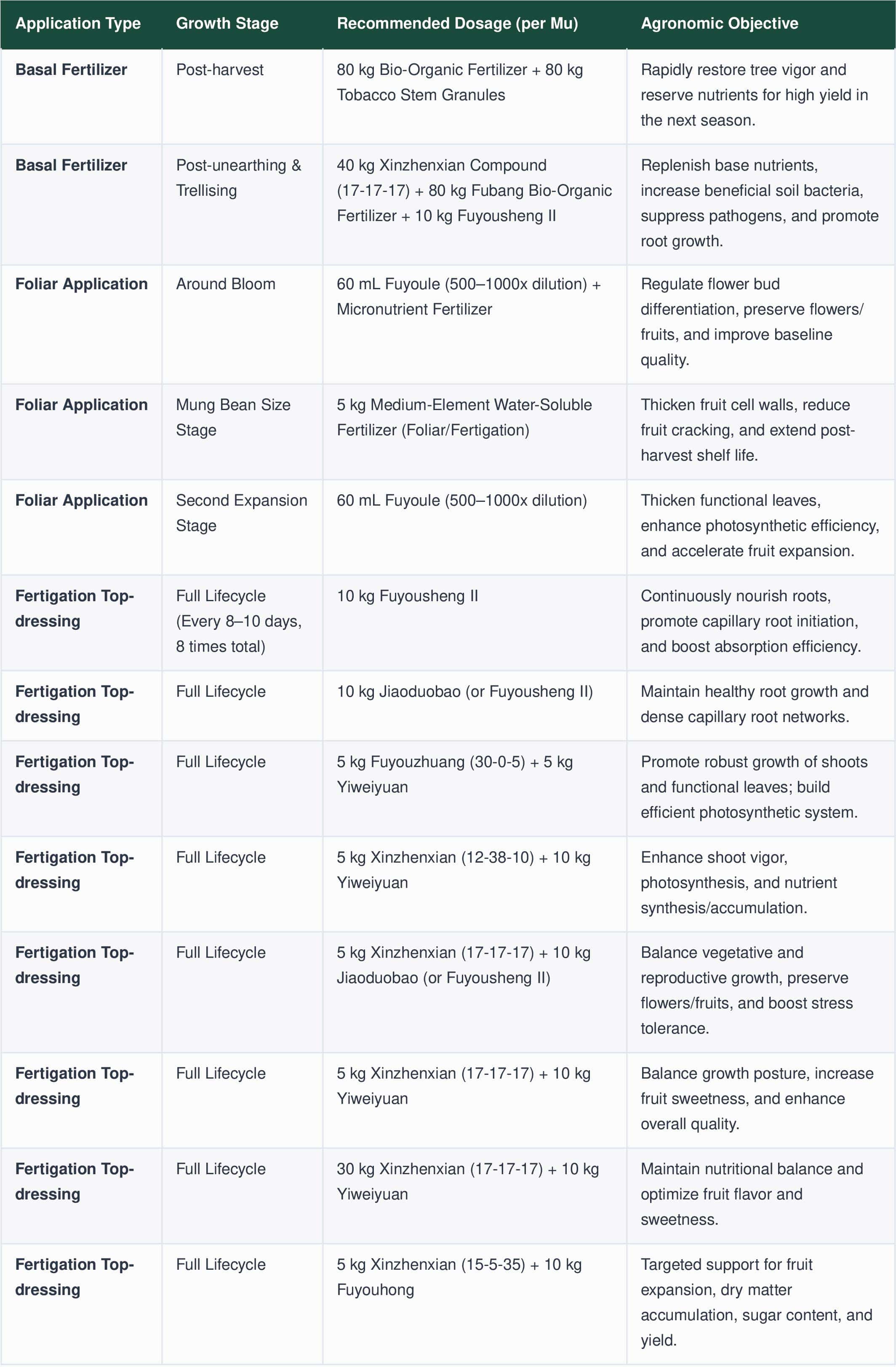
Trial Results: Grapevines treated with yeast metabolites showed superior vigor, abundant high-quality flower buds, accelerated shoot lignification, and sufficient nutrient reserves. During color change, fruit clusters displayed uniform, bright coloration and faster ripening, enabling earlier market entry.
Trial Conclusion: Bioactive substances such as free amino acids and fulvic acid actively regulate grape physiological metabolism, significantly improving P and K utilization efficiency. They curb excessive vegetative growth, accelerate shoot maturation and lignification, and promote uniform anthocyanin synthesis.
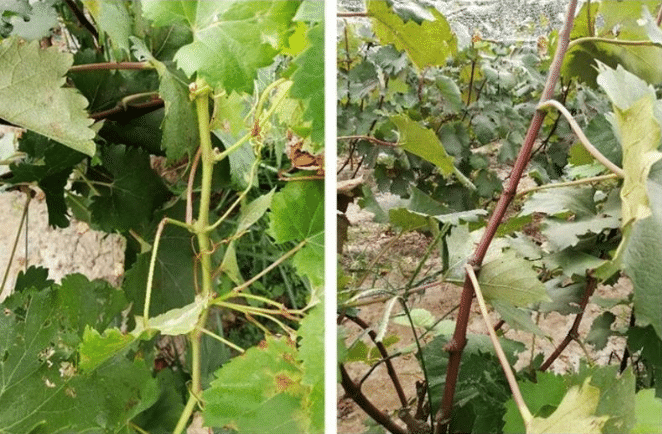
Control group branches remain green with delayed maturation, while treatment group branches exhibit good lignification.
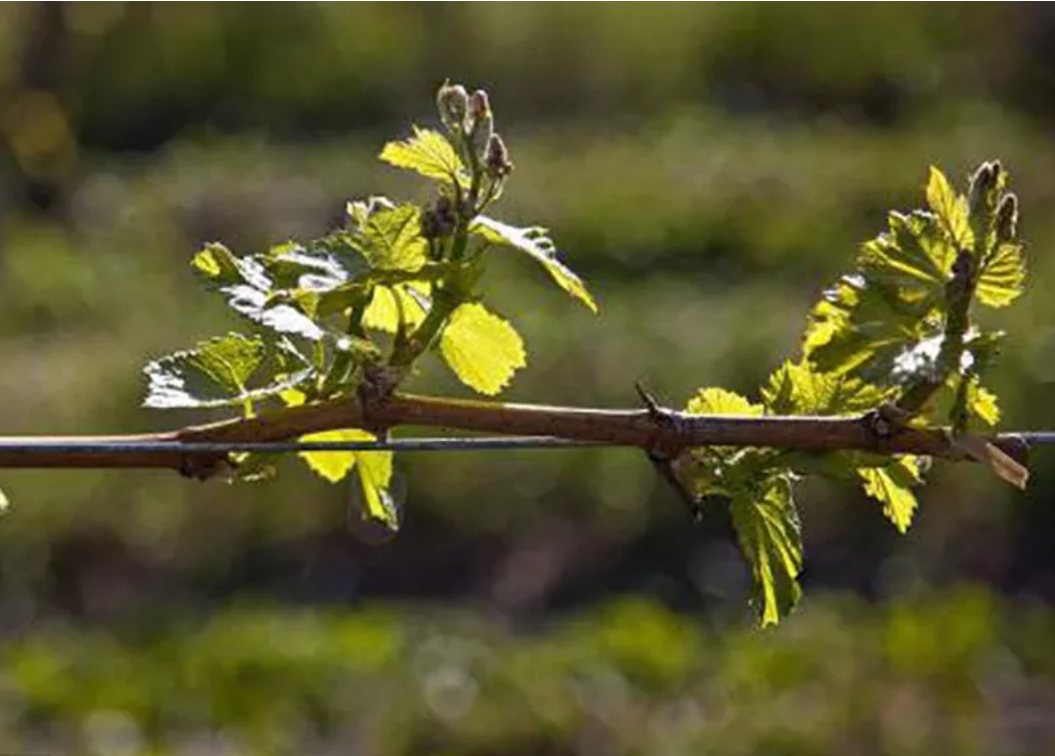
Treatment group: vigorous spring shoots and abundant flower buds
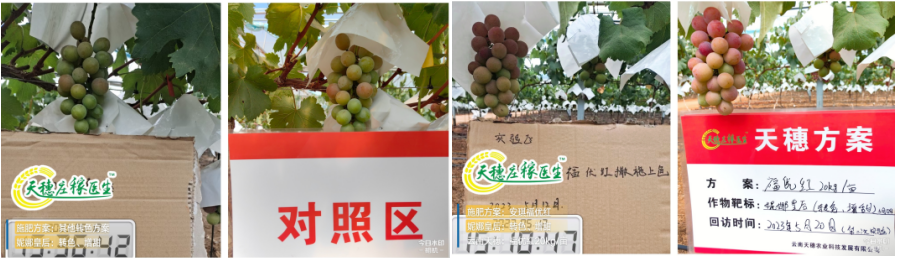
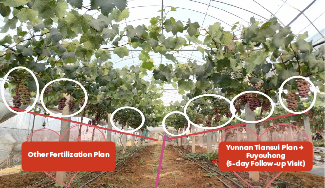
The treatment group showed noticeably more uniform fruit coloration versus the control group.
II. Field Application Effects of Yeast Metabolites on International Crops
1. Cabbage Trial in Subang, Indonesia
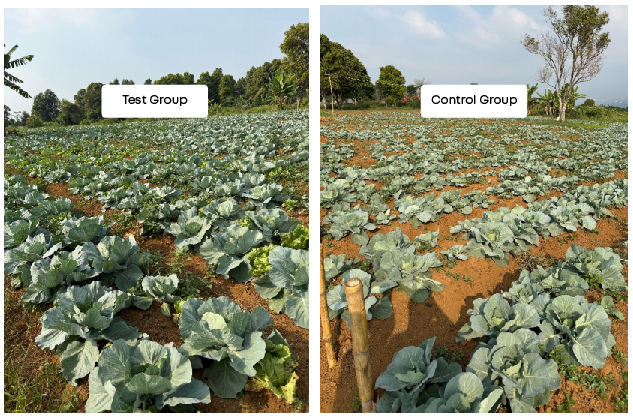
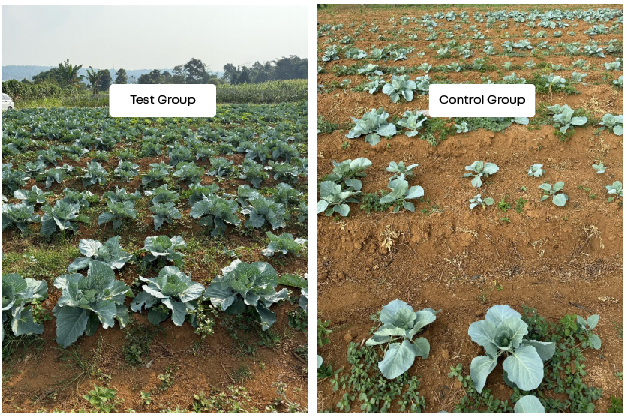
Located in Subang, Indonesia, at an altitude of 1,200 meters, this high-altitude cabbage base faces challenges including weak crop vigor and uneven quality. The trial evaluated a 2,000 m² treatment plot against a control plot. The control used local chicken manure compost + chemical fertilizer, while the treatment group received additional Angel Yeast Metabolite Dry Powder Organic Fertilizer incorporated into base and fertigation applications. Fertilization Scheme: Pre-transplanting, the treatment group mixed yeast metabolite dry powder with chicken manure. Top-dressing occurred three times: the treatment group used yeast metabolite powder + chemical fertilizer (1:300 dilution fertigation), while the control used conventional chemical fertilizer alone.
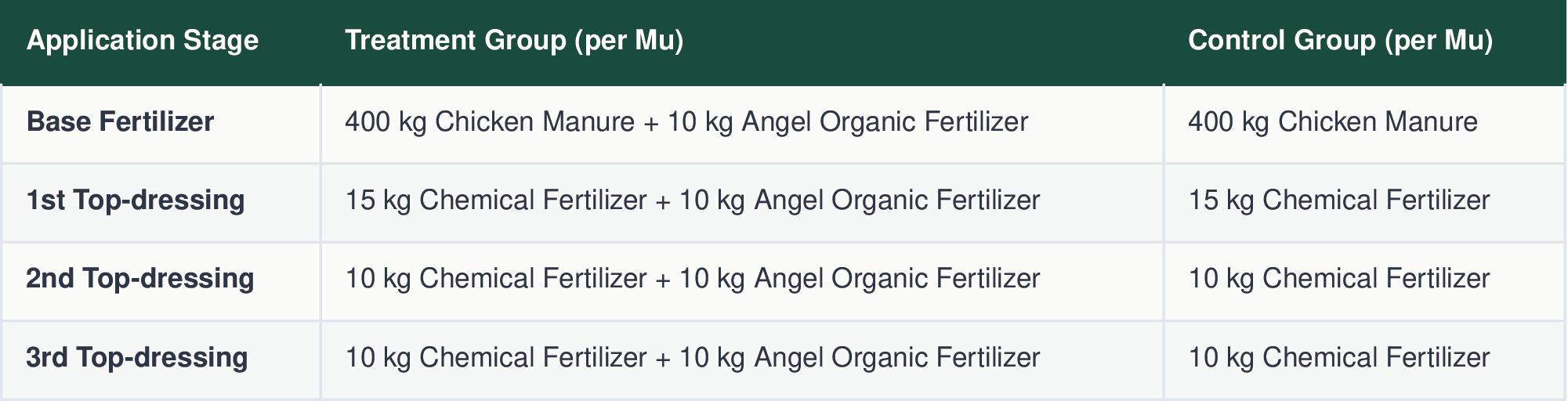
Trial Results: 20 days after the first top-dressing, leaf thickness in the treatment group reached 0.4737 ± 0.0561 mm vs. 0.4188 ± 0.0416 mm in the control (+13.1%, p < 0.01). SPAD chlorophyll content reached 64.85 ± 7.14 vs.58.80 ± 5.31 (+10.3%). Field observations confirmed higher crop vigor and uniformity.

Trial Conclusion: Yeast metabolites promote vegetative growth in plateau cabbage by supplementing active organic nutrition and improving rhizosphere micro-environments. Enhanced leaf thickness improves transport durability and commercial grade, while higher chlorophyll boosts photosynthetic output.
2. Iceberg Lettuce Trial in Subang, Indonesia
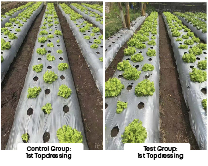
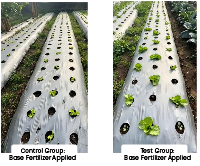
Conducted at the same altitude (1,200 m) in Subang, Indonesia, across 1,500 m² plots, this trial evaluated seedling survival rate, growth speed, and canopy uniformity under highland conditions.
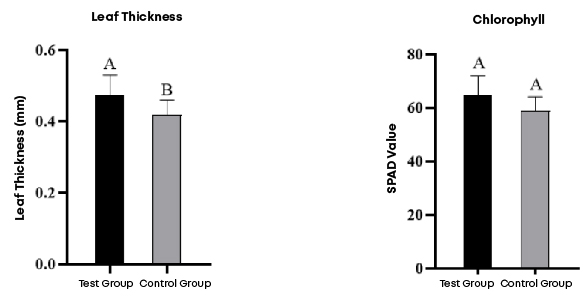
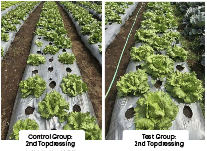
Fertilization Scheme: Base fertilizer for the treatment group consisted of 400 kg/mu chicken manure + 10 kg/mu Angel organic fertilizer. Two top-dressings were applied during growth: 15 kg chemical + 10 kg organic fertilizer, followed by 10 kg chemical + 10 kg organic fertilizer. Controls received equivalent chicken manure and synthetic fertilizer only.
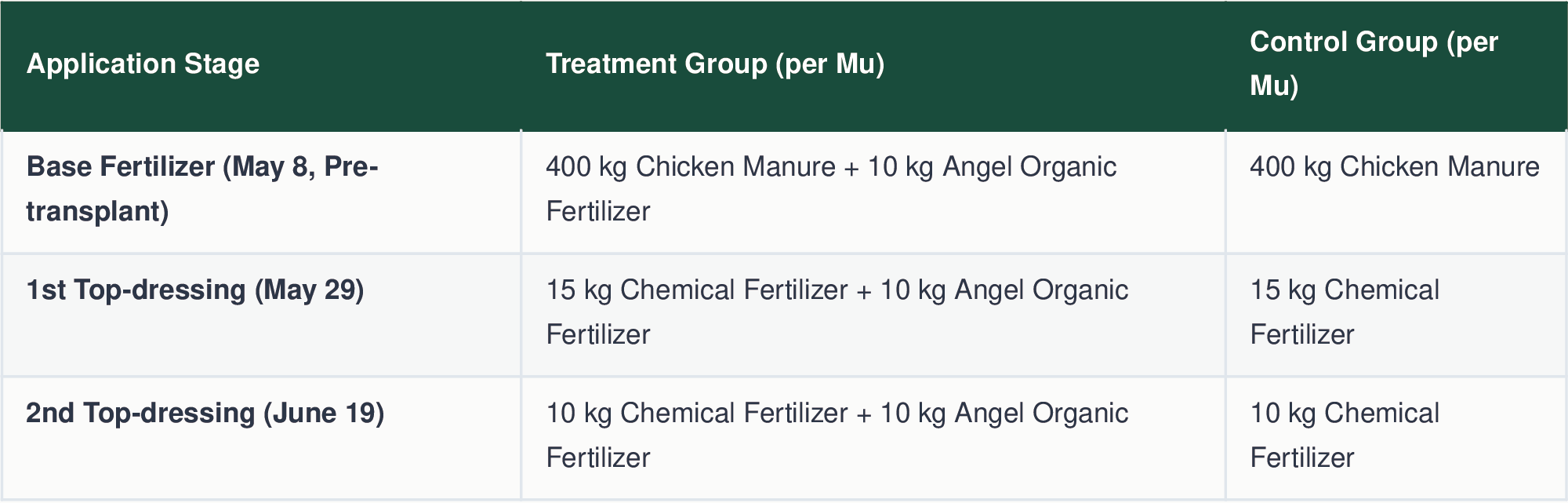
Trial Conclusion: In high-altitude environments, Iceberg lettuce often suffers from low survival rates and uneven growth. Supplemental application of Angel Yeast Metabolite Organic Fertilizer optimized soil nutrient structure, activated crop growth potential, significantly raised transplant survival rate and accelerated plant development, showing prominent growth-promoting effects.
III. Overall Summary
Field trials on numerous domestic and international crops demonstrate that yeast metabolites, as bioactive organic nutrient carriers, provide comprehensive benefits: soil improvement, root stimulation, seedling strengthening, metabolic regulation, stress resistance, as well as yield and quality enhancement for leafy greens, fruit trees and highland vegetables.
Their core mechanisms function on two primary levels: First, components such as humic acid, yeast polysaccharides, and active peptides improve soil structure, boost the proliferation of beneficial microflora, and replenish organic matter to alleviate continuous cropping obstacles and soil-borne diseases. Second, free amino acids and biostimulants regulate crop physiological metabolism, stimulate root growth, improve nutrient uptake efficiency, balance vegetative and reproductive growth, and strengthen stress resilience. Compared with conventional fertilizers, yeast metabolite fertilizers precisely satisfy crop physiological demands across the entire growth cycle, delivering higher commodity value and supporting sustainable agriculture.
The yeast source organic fertilizer has the advantages of being nutritional, efficient, environmental friendly, soil-improving, etc., and it is suitable for the application of high added value agricultural products, animal husbandry and economic crops. Angel is the founder of yeast source organic fertilizer, and the products all have passed through the EU Organic Certification and China Organic Certification.
About Angel:
Angel Yeast Company is a high-tech listed company specializing in yeast and biotech. Product business covers Yeast and Baking, Yeast Extract-Savoury, Nutrition & Health and Biotechnology fields. It is one of the world's leading companies in the yeast industry. Angel has 12 holding subsidiaries and provides products and services for more than 150 countries and regions.
Press Contact:
ANGEL YEAST CO., LTD
Address: 168 Chengdong Avenue, Yichang, Hubei 443003, P. R.China
Tel& Fax: +86-717-6371118
Email: weiqz@angelyeast.com